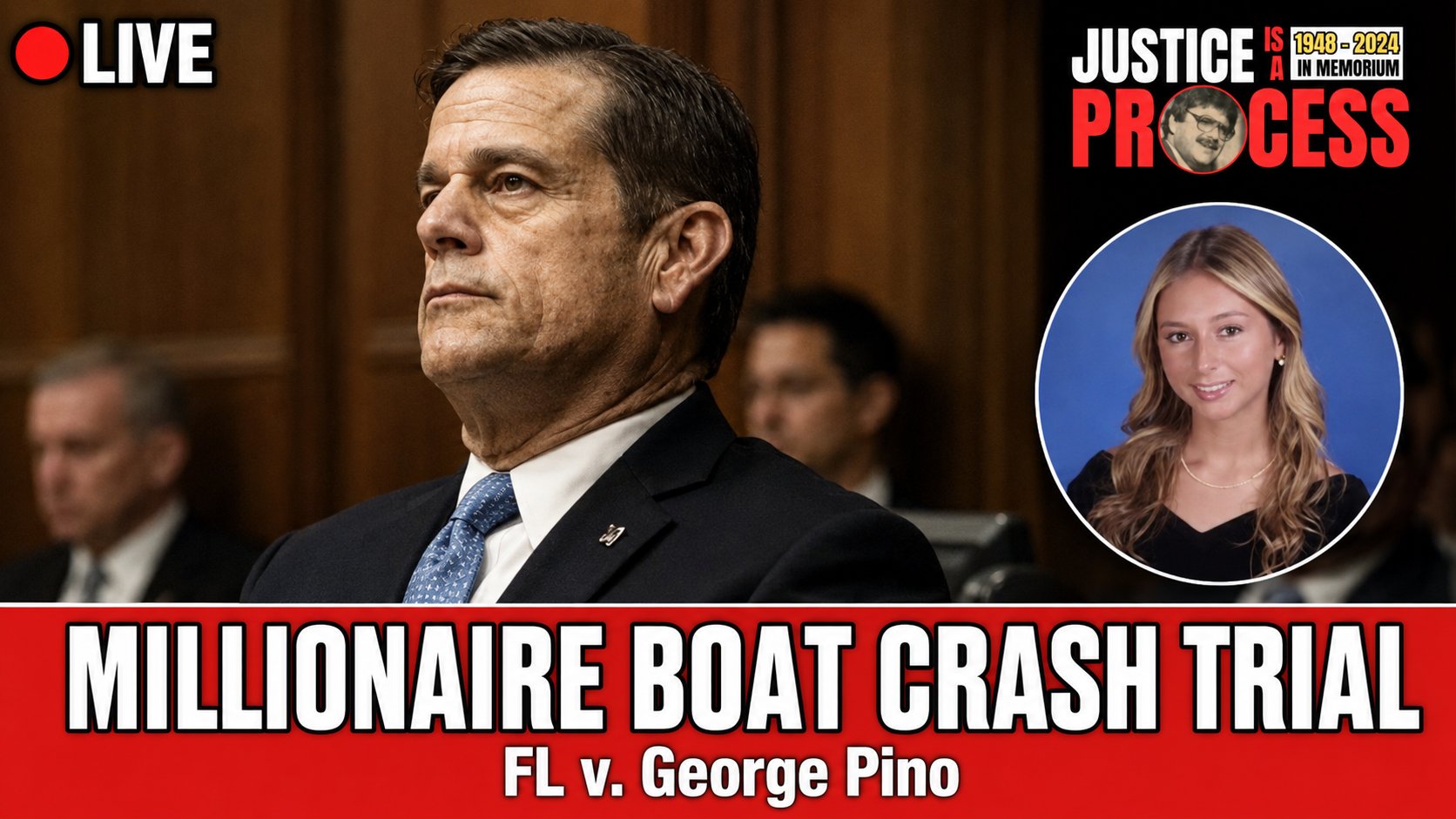
FL v. PINO
June 9, 2026
Building Around the Hole
The state admitted it cannot prove George Pino was drunk, then spent two days building its case around the blood test its own investigators never took.
Due Process. Presumption of Innocence. Constitutional Accountability.
Deep-dive legal analysis of criminal trials. No cheerleading for prosecution or defense. Just the truth about how the system works, and doesn't.
The state admitted it cannot prove George Pino was drunk, then spent two days building its case around the blood test its own investigators never took.
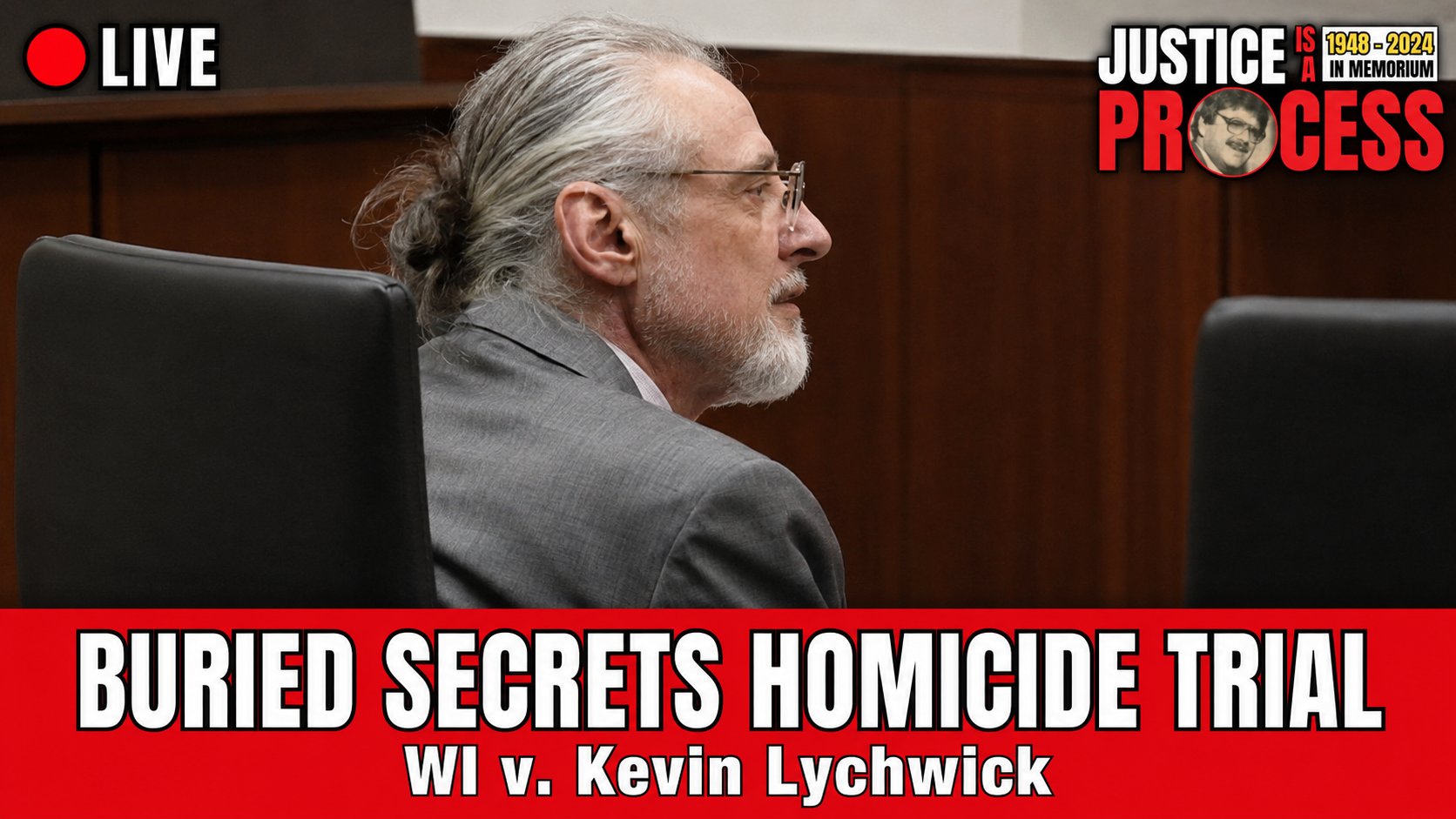
Read →The state spent Day 1 building a circumstantial foundation while the gun at the center of the case never reached the jury, and the man representing himself stood up after every witness to find the gap.
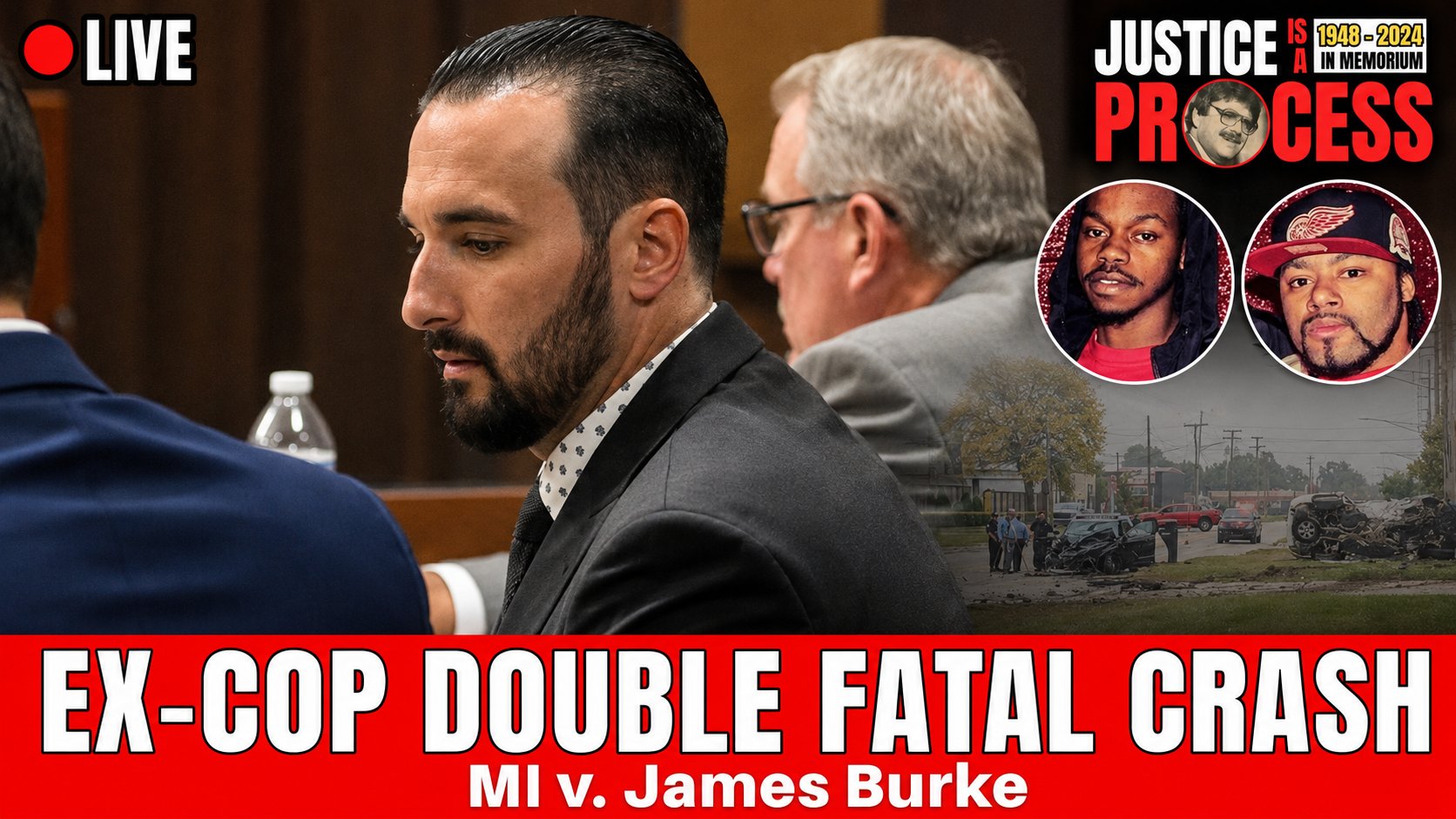
Read →The two autopsies made the speed lethal and put the dead driver's .198 into evidence through the state's own pathologist, and the captain who wrote the pursuit policy testified it cannot make Burke a criminal.
Read →Opening statements drew the battle, recklessness against a drunk driver, and then the state's first four officers started turning the speed into evidence the jury could see for itself.
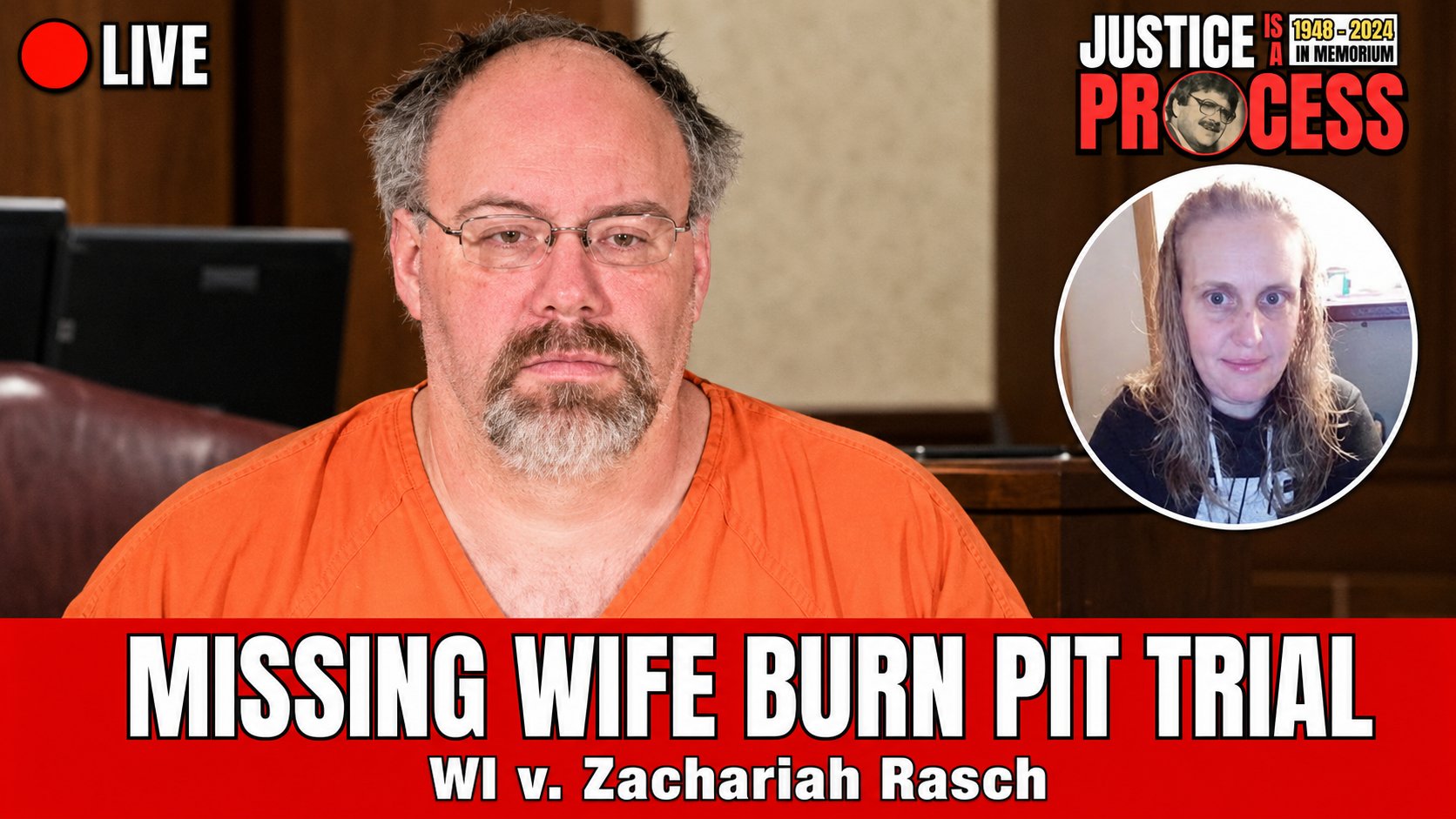
Read →Day 5 was the state's case at full strength, the phones, the bones, and Rasch's own recorded lies, and even the state's forensic witness could not say how Crystal died.
Read →Day 3 was the state's densest day yet, the searches, the spending, the burn pit, and the bones, and still not one of four detectives could tell the jury how Crystal died.
Read →Day 2 was the day the state put down the people who loved Crystal and picked up the record: her last living images, her money moving without her, and three separate attempts to fake a trail while no witness could say how she died.
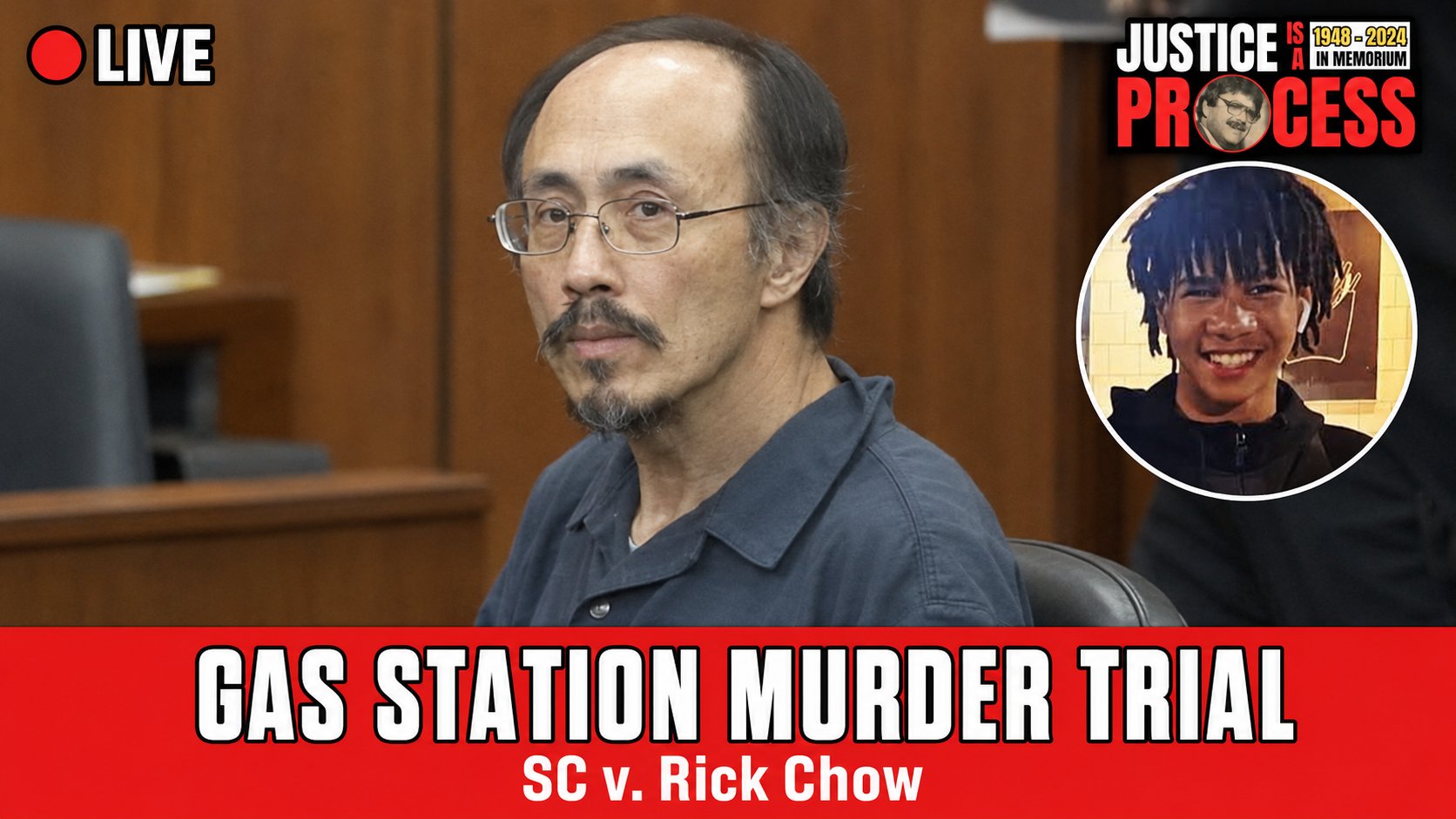
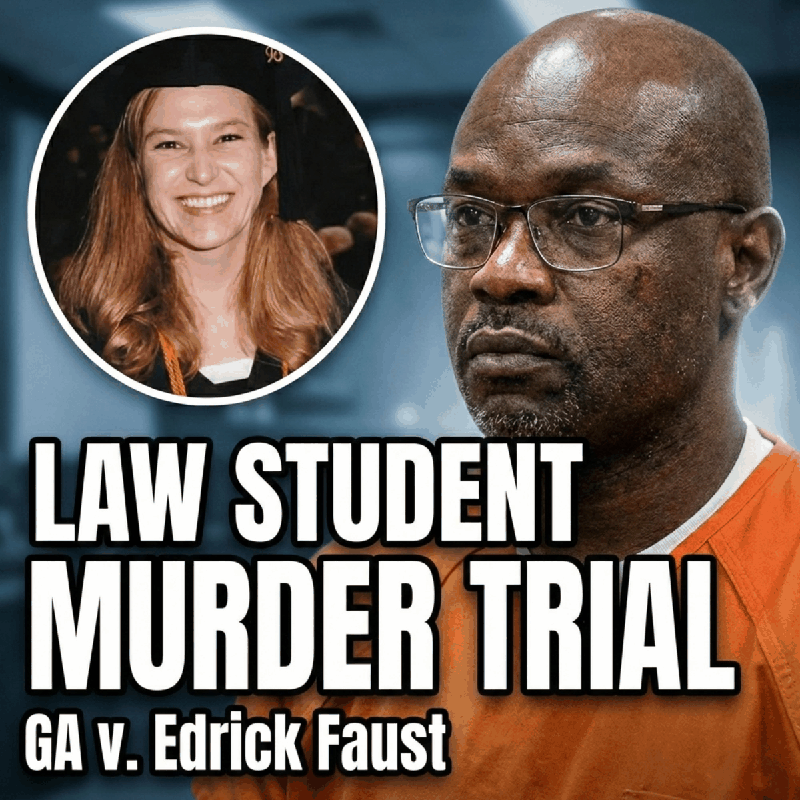
Read →The state bet its entire murder case on the idea that chasing a fleeing boy was the fault that killed self-defense. Twelve jurors were not convinced. Rick Chow is not guilty.
Read →Day 1 of the Missing Wife Burn Pit Trial set the board. The defense conceded almost the entire corpse count and bet everything on accident, narrowing the case to causation and intent.
Read →With every lesser charge waived, closings left the jury only two doors in the death of 14-year-old Cyrus Carmack-Belton. Murder or acquittal.
Read →Select a case to explore background reports, daily breakdowns, and all coverage in one place.
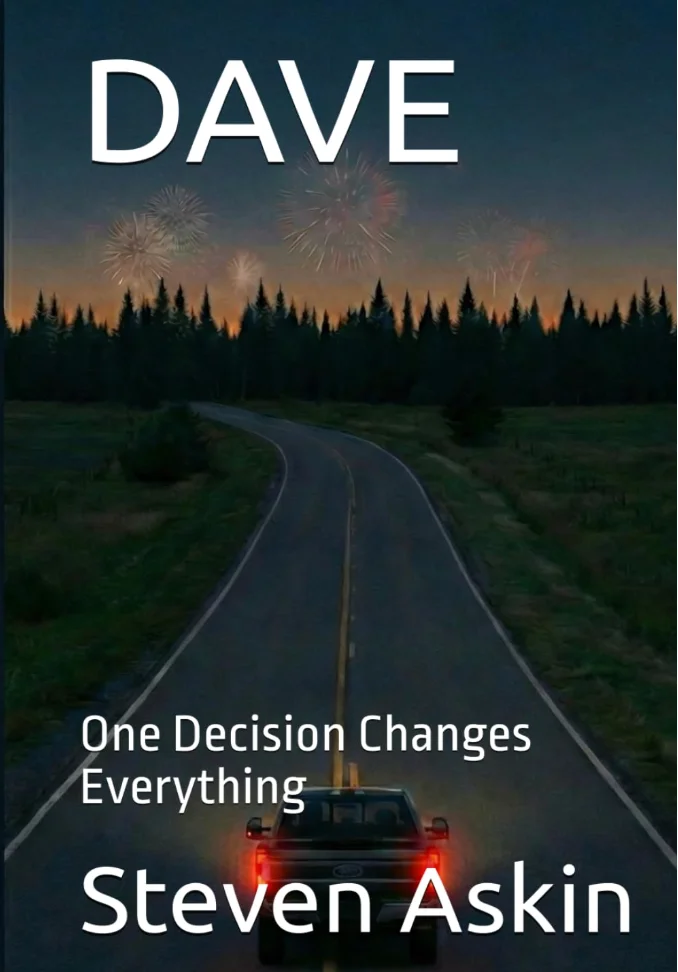
One Decision Changes Everything
A CPA's life is destroyed after a tragic accident. But was the process that convicted him actually just?
Dave Schrader had everything. A successful practice. A family who loved him. Then came the party, the dark country road, and the split-second choice that would cost a sixteen-year-old boy his life. What follows isn't just a story about guilt or punishment. It's a story about what happens when a man enters a system designed to produce outcomes, not fairness.
Justice isn't an outcome. Justice is a process.
Get the Book on AmazonIndependent legal coverage takes time, resources, and relentless effort. Here's how you can help continue the mission Steven M. Askin started.
One-time contributions go directly to supporting trial coverage, research, and keeping this operation running. No subscription needed.
Support on Ko-fiQuick and direct. Send support instantly through Cash App. Every dollar goes toward continuing the mission.
$JusticeisaprocessYouTube members get access to the live Toolkit folder with downloadable breakdowns, case documents, live stream perks, and badges.
Join on YouTubeOfficial merchandise. T-shirts, hoodies, mugs, and more. Every purchase supports independent legal coverage.
Shop Merchandise
I'm not a lawyer. I'm trained differently.
At age 12, I watched my father get indicted. I sat in the courtroom audience. I reviewed his files. I got an education no law school provides. I became a criminal defendant's family member facing the possibility of losing everything.
My father, Steven M. Askin, was a renowned West Virginia criminal defense attorney for 23 years. He was prosecuted twice by the system he challenged. First for protecting attorney-client privilege. Later for teaching people their constitutional rights from a coffee shop.
"The system only works if we force it to work. If we watch. If we question. If we refuse to let them operate in darkness."
Justice Is A Process continues his legacy. We cover trials not to entertain, but to educate. To teach people how the system really works. To be the watchdog the justice system needs.
Have feedback? Know of a case we should cover? Want to share a tip or just say hello? Reach out directly.
Click to open your email app, or copy the address above
1948 — 2024
Steven M. Askin was a West Virginia criminal defense attorney for 23 years. He wasn't just a lawyer. He was a fighter who believed that constitutional rights belong to everyone, not just those who can afford them.
In 1994, the federal government came for him. He refused to violate attorney-client privilege, even when a judge ordered him to testify. He went to prison for seven months. The West Virginia Supreme Court disbarred him in 1998.
But he didn't stop. He rebuilt. He became a street lawyer, working from coffee shops in Martinsburg, helping people the system abandoned. People who couldn't afford lawyers. People fighting Pro Se against a machine designed to crush them. He taught them the law. He showed them how to stand up for their rights. He did it for free, or for whatever they could afford.
In 2009, on the morning he was supposed to get his law license back, he was indicted on 11 counts of unauthorized practice of law. For helping people from a coffee shop. For teaching them their constitutional rights. The prosecutor said she feared he would "disrupt the legal system."
She was right to be afraid. His mission lives on.
"The system only works if we force it to work. If we watch. If we question. If we refuse to let them operate in darkness."
Follow his story in the documentary podcast series
Watch Episode 1: The Story BeginsNew episodes on the Justice Is A Process YouTube channel